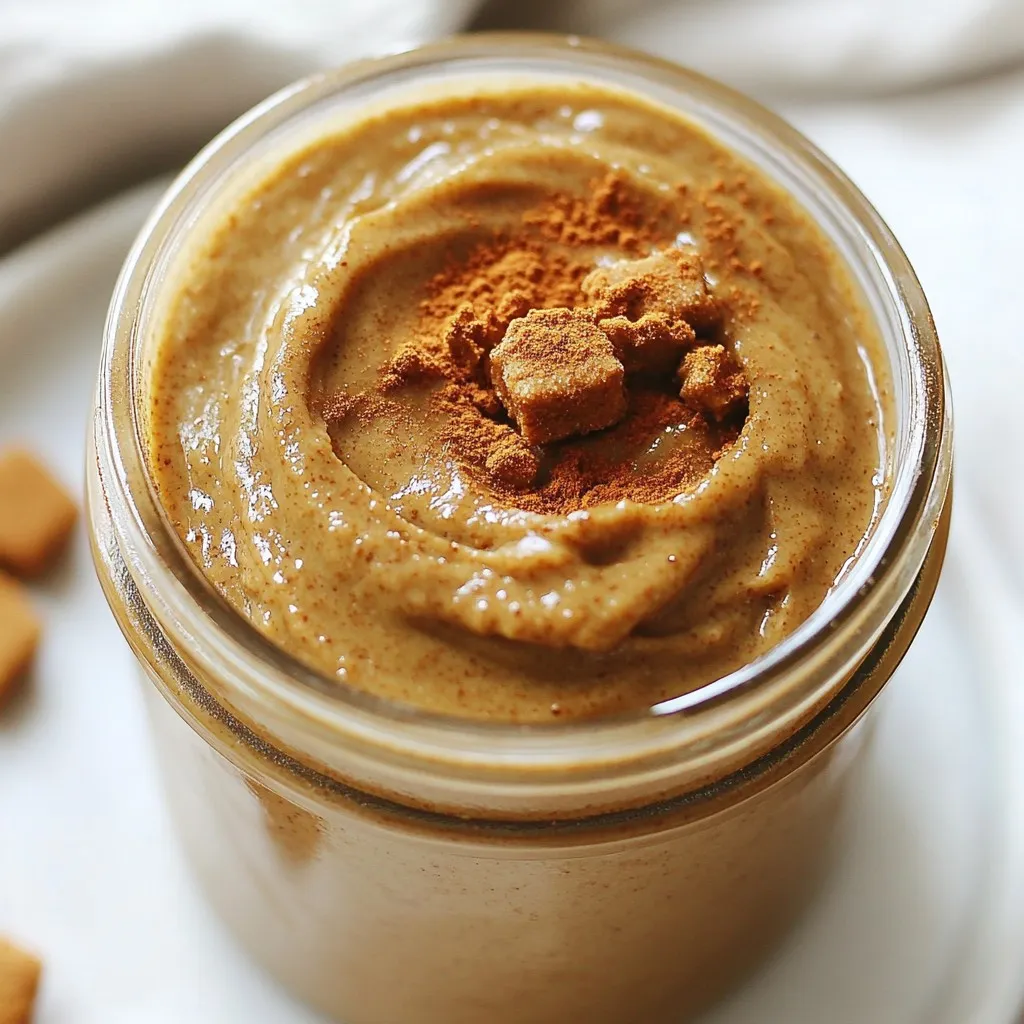
If you love sweet spreads that capture the joy of the holidays, you’re in for a treat! In this post, I’ll guide you through making Gingerbread Cookie Butter—a delightful, easy spread that’s perfect for toast, cookies, or straight from the jar. With a few simple ingredients and clear steps, you’ll whip up this festive favorite that brings warmth and spice to your kitchen. Ready to sweeten your season? Let’s dive in!
Why I Love This Recipe
- Festive Flavor: This gingerbread cookie butter embodies the warm, spicy flavors of the holiday season, making it a perfect treat for festive gatherings.
- Easy to Make: With just a few simple ingredients and a food processor, you can whip up this delicious spread in no time!
- Versatile Use: This cookie butter can be enjoyed in various ways, whether as a spread on toast, a topping for pancakes, or a dip for fruits and snacks.
- Customizable Sweetness: You have the freedom to adjust the sweetness level to your taste by adding more powdered sugar, making it perfect for everyone!
Ingredients
List of Ingredients
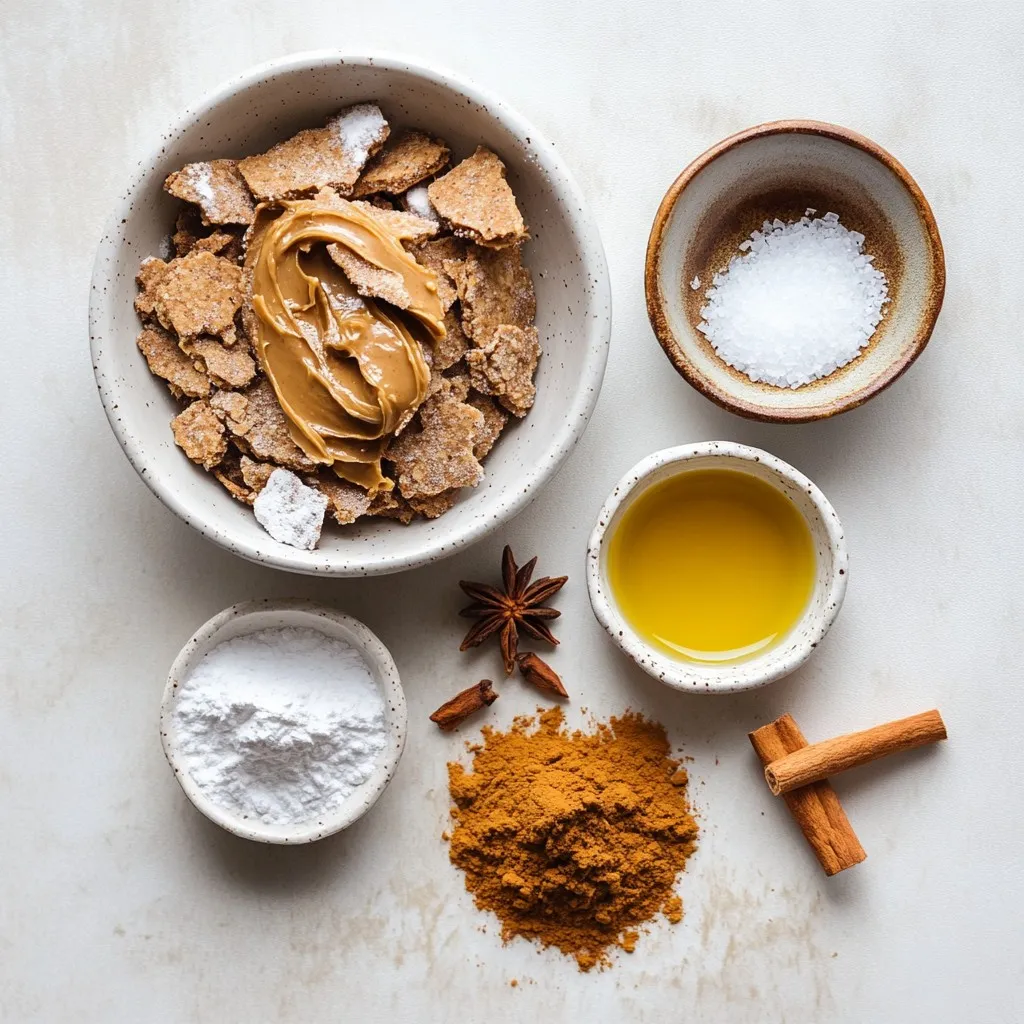
– 1 cup gingerbread cookies, finely crushed
– 1/2 cup almond butter or peanut butter
– 1/4 cup powdered sugar
– 1 teaspoon ground cinnamon
– 1 teaspoon ground ginger
– 1/4 teaspoon ground nutmeg
– 1/2 teaspoon vanilla extract
– A pinch of salt
– 2-3 tablespoons coconut oil, melted (optional)
Importance of Quality Ingredients
Using good ingredients makes a big difference. Fresh gingerbread cookies add rich flavor. The nut butter gives creaminess and healthy fats. Powdered sugar sweetens without adding graininess. Spices like cinnamon and ginger bring warmth and depth. They create that cozy holiday feel. Vanilla extract enhances the overall flavor. A pinch of salt balances the sweetness, making each bite pop. Good ingredients help your cookie butter taste its best.
Alternative Ingredient Options
You can switch things up if needed. If you have allergies, use sunflower seed butter instead of nut butter. For a vegan option, choose maple syrup instead of powdered sugar. You can skip the coconut oil if you want a thicker spread. If you love spice, try adding allspice or cloves for a twist. Be creative and make it your own!
Step-by-Step Instructions
Preparing the Gingerbread Cookie Base
Start by crushing your gingerbread cookies. Place one cup of cookies into your food processor. Blend them on high until they turn into fine crumbs. This step builds the tasty base for your cookie butter. Make sure there are no big pieces left. You want a smooth texture to work with.
Combining Ingredients in the Food Processor
Now it’s time to add your other ingredients. Add half a cup of almond butter or peanut butter to the crumbs. Next, mix in a quarter cup of powdered sugar. Add one teaspoon of ground cinnamon and one teaspoon of ground ginger. Don’t forget the quarter teaspoon of nutmeg and half a teaspoon of vanilla extract. Finally, add a pinch of salt. Pulse the mixture in short bursts. This helps all the flavors blend well. Stop to scrape the sides of the bowl. This ensures an even mix.
Achieving the Desired Consistency
If you want your cookie butter creamier, add melted coconut oil. Start with two tablespoons and blend it in. You can always add more if needed. Taste the mixture after blending. If you want it sweeter, add more powdered sugar. Once you have the right mix, transfer your cookie butter into a clean jar. Seal it tightly and store it in the fridge. It stays fresh for up to two weeks. Enjoy your homemade gingerbread cookie butter on toast, pancakes, or with sliced apples!
Tips & Tricks
Adjusting Sweetness and Flavor
If you want your gingerbread cookie butter sweeter, just add more powdered sugar. Start with one tablespoon at a time. Taste it after each addition. This way, you control the sweetness. You can also add more spices. A bit more cinnamon or ginger can give it a nice kick. If you prefer a less sweet flavor, use less sugar. Balance is key to making the best spread.
Achieving the Perfect Texture
To get a smooth texture, blend your ingredients well. If it feels too thick, add melted coconut oil. Start with one tablespoon, and blend again. The oil helps make it silkier. If you want it thicker, skip the oil. Always taste your blend. Adjust until you find your perfect texture.
Common Mistakes to Avoid
One common mistake is not blending long enough. Make sure to pulse until everything mixes well. Another mistake is adding too much coconut oil all at once. This can make it too runny. Always add a little at a time. Lastly, don’t forget to scrape the bowl. This ensures all ingredients get mixed properly. Pay attention to these tips for great cookie butter.
Pro Tips
- Texture Matters: Adjust the amount of coconut oil gradually to achieve your desired smoothness in the cookie butter.
- Flavor Boost: For a spicier kick, consider adding more ground ginger or a dash of allspice to the mixture.
- Sweetness Control: Taste your cookie butter before storing; you can always add more powdered sugar if you prefer it sweeter.
- Storage Tips: Keep your cookie butter in a clean, airtight jar in the refrigerator to maintain freshness for up to 2 weeks.
Variations
Nut-Free Adaptation
If you want a nut-free version, swap the nut butter for sunflower seed butter. This keeps the taste rich while making it safe for nut allergies. Sunflower seed butter adds a unique flavor. You can also try tahini for a different twist. Both options work well in this recipe.
Spice Variations
You can change the spices to match your taste. Try adding a bit of allspice for extra warmth. Cardamom is another great choice that adds a nice depth. If you like heat, consider a pinch of cayenne pepper. These changes let you create a cookie butter that’s truly your own.
Seasonal Twists (e.g., adding cocoa)
Want to make it more chocolatey? Stir in a couple of tablespoons of cocoa powder. This adds a great twist for winter treats. You can also mix in some peppermint extract for a festive flair. Each seasonal swap makes this spread new and fun all year round.
Storage Info
Best Practices for Storage
To keep your gingerbread cookie butter fresh, use an airtight jar. Glass jars work best. Store it in the fridge right after making it. This keeps the flavors bright and tasty. Always use a clean spoon to scoop out your cookie butter. This helps avoid any bacteria that may spoil it.
Shelf Life of Gingerbread Cookie Butter
Your gingerbread cookie butter stays fresh for up to two weeks in the fridge. After that, it may lose flavor or texture. If you notice any changes in smell or color, it’s best to throw it away. Always trust your senses; they guide you well.
How to Freeze for Longer Storage
To freeze your gingerbread cookie butter, use a freezer-safe container. Leave a little space at the top, as it can expand. You can also use ice cube trays for easy servings. Just scoop the butter into the tray and freeze. Once frozen, pop them out and store in a bag. This way, you can enjoy your spread for up to three months. When ready to use, simply thaw in the fridge overnight.
FAQs
What can I use Gingerbread Cookie Butter on?
You can enjoy gingerbread cookie butter on many treats. Spread it on warm toast for breakfast. It tastes great on pancakes or waffles too. Use it as a dip for apple slices or pretzels. You can even add it to oatmeal for a tasty twist. This spread is perfect for holiday treats or anytime you crave something sweet.
Can I use other types of nut butters?
Yes, you can use different nut butters in this recipe. Almond butter and peanut butter work well. You can also try cashew butter for a creamier taste. Sunflower seed butter is a great nut-free option. Just swap it in for the almond or peanut butter. Each nut butter will give a unique flavor.
How can I make my cookie butter creamier?
To make your cookie butter creamier, add melted coconut oil. Start with one tablespoon and blend it in. If you want it even smoother, add more oil a little at a time. You can also pulse the mixture longer in the food processor. This will help break down the ingredients more. Enjoy a velvety texture!
This blog post guides you through creating delicious gingerbread cookie butter. We covered key ingredients, their quality, and alternatives. I shared easy instructions for making the base and tips for improving flavor and texture. You learned about fun variations and proper storage methods to keep your cookie butter fresh.
Now you can enjoy this treat in many ways. So, get in the kitchen and make some gingerbread cookie butter! Your taste buds will thank yo