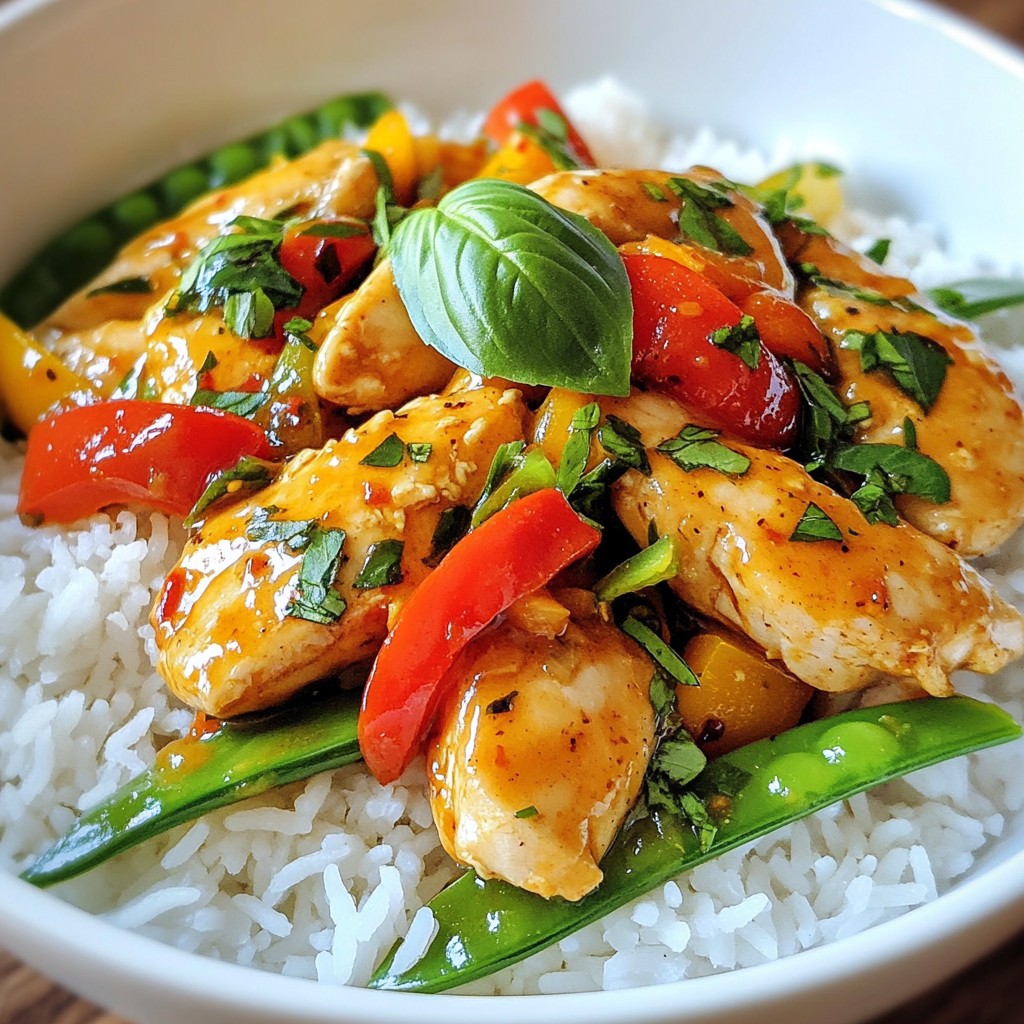

Looking for a quick, tasty meal? Coconut Curry Chickpeas are your answer! This dish packs vibrant flavors and creamy goodness, all in one bowl. With easy steps to follow, you’ll whip up a delightful dinner that satisfies everyone. Whether you’re new to cooking or a seasoned chef, this recipe is simple and fun! Let’s dive into the ingredients and get started on this scrumptious journey!
Why I Love This Recipe
- Vibrant Flavors: This dish bursts with the rich and aromatic flavors of coconut milk and spices, making every bite a delightful experience.
- Quick and Easy: With a prep time of just 10 minutes, this recipe is perfect for busy weeknights when you want something delicious without the fuss.
- Healthy Ingredients: Packed with protein from chickpeas and loaded with fresh vegetables, this curry is as nutritious as it is tasty.
- Customizable: Feel free to add your favorite vegetables or adjust the spice level to suit your taste, making it a versatile option for everyone.
Ingredients
Main Ingredients
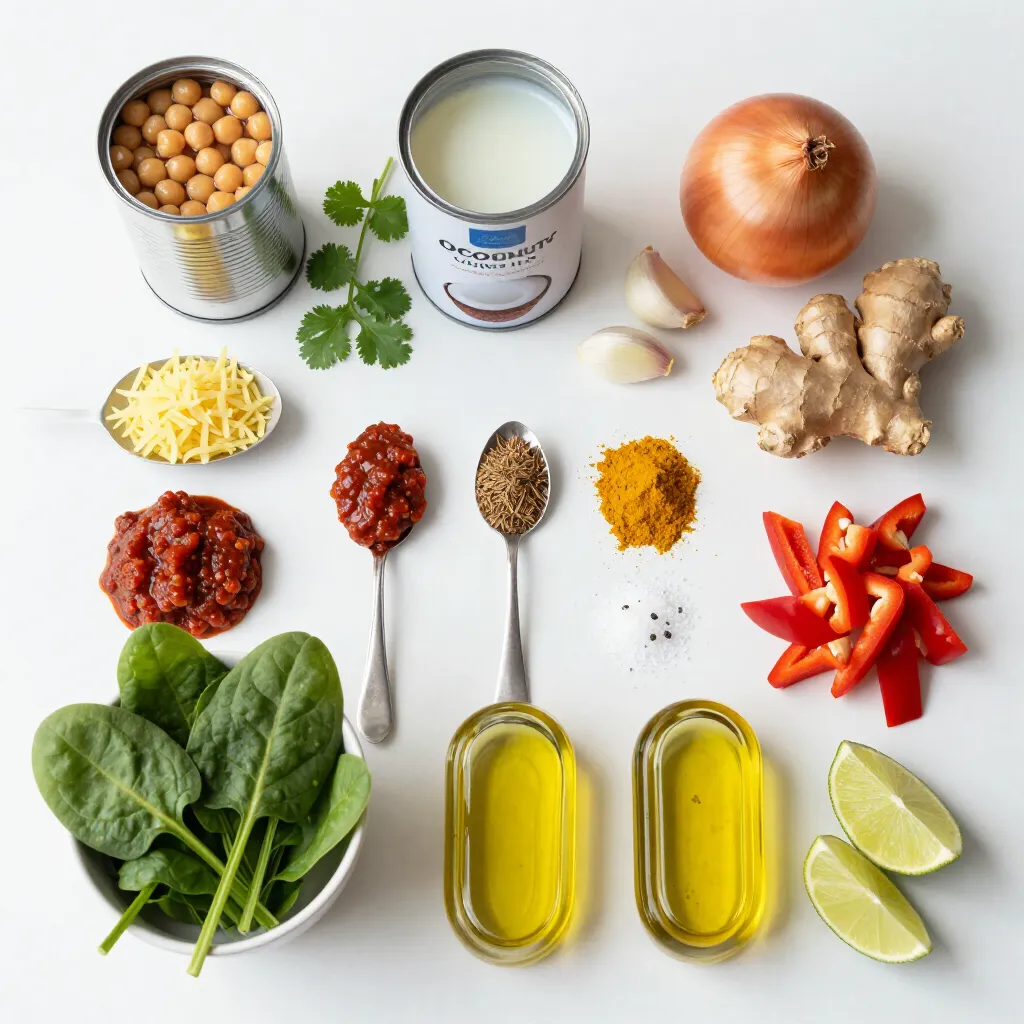
– 1 can (15 oz) chickpeas, thoroughly drained and rinsed
– 1 can (13.5 oz) creamy coconut milk
– 1 medium onion, finely diced
– 2 cloves garlic, finely minced
– 1 tablespoon fresh ginger, finely grated
Chickpeas are the star of this dish. They add protein and fiber. Coconut milk gives the curry its rich, creamy texture. The onion, garlic, and ginger bring warmth and depth to the flavor.
Spices and Seasoning
– 1 tablespoon vibrant red curry paste
– 1 teaspoon ground cumin
– 1 teaspoon turmeric powder
Red curry paste adds a spicy kick and flavor. Cumin gives an earthy taste, while turmeric adds a golden hue and health benefits. Each spice plays an important role in creating a balanced curry.
Vegetables
– 1 bell pepper (choose red or yellow for sweetness), chopped into bite-sized pieces
– 1 cup fresh spinach leaves, washed and patted dry
– Fresh cilantro leaves, for garnish (optional)
– Lime wedges, for serving (optional)
Bell peppers add color and sweetness. Fresh spinach adds nutrition and a pop of green. Garnishing with cilantro and lime brings brightness to each bite. These vegetables make the dish lively and appealing.
Step-by-Step Instructions
Preparing Aromatics
Sautéing the Onion
Start by heating two tablespoons of extra virgin olive oil in a large skillet. Use medium heat. Once the oil is hot, add one finely diced onion. Sauté the onion for about five minutes. You want it to be translucent and slightly golden.
Adding Garlic and Ginger
Next, stir in two cloves of minced garlic and one tablespoon of freshly grated ginger. Cook this mix for one more minute. You will smell the wonderful aroma fill your kitchen.
Cooking the Spices and Coconut Milk
Incorporating Spices
Now, add one tablespoon of vibrant red curry paste, one teaspoon of ground cumin, and one teaspoon of turmeric powder to the pan. Stir well to coat the onions with the spices. Let this cook for two minutes. This step really boosts the flavors.
Pouring in Coconut Milk
Gradually pour in one can of creamy coconut milk. Stir continuously as you pour. Bring the mixture to a gentle simmer. You should see it bubble softly.
Final Cooking Steps
Mixing in Chickpeas and Bell Pepper
Add one can of thoroughly drained and rinsed chickpeas, along with one chopped bell pepper. You can choose red or yellow for sweetness. Let this cook for about 10-12 minutes. The bell pepper should be tender but still crunchy.
Folding in Spinach and Seasoning
Gently stir in one cup of fresh spinach leaves. Cook for another 2-3 minutes until they are just wilted. Season your curry with salt and freshly ground black pepper to taste. It’s time to enjoy the rich flavors you created!
Tips & Tricks
Perfecting Flavors
Balancing Spice Levels
To balance the spice, taste as you cook. Start with a small amount of red curry paste. You can always add more if you like heat. Remember, spices build flavor over time. Adjust as needed for your taste.
Adjusting Creaminess
Want a creamier curry? Use more coconut milk. If it’s too rich, add a bit of vegetable broth. This keeps the dish light without losing flavor. Stir gently to blend it all together.
Presentation Suggestions
Best Serving Practices
Serve coconut curry in shallow bowls. This allows a good view of the vibrant colors. Top each bowl with fresh cilantro for a pop of green. Place lime wedges on the side for a zesty touch.
Ideal Side Dishes
Pair your curry with fluffy jasmine rice. The rice soaks up the curry sauce well. You can also serve it with warm naan bread for dipping. Both sides enhance the meal’s enjoyment.
Cooking Methods
Stovetop vs. Instant Pot
The stovetop method gives you more control. You can adjust the heat easily and monitor cooking times. The Instant Pot is great for quick meals. Just set it and let it do the work. Both methods yield delicious results, so choose what fits your schedule.
Pro Tips
- Use Fresh Spices: Fresh spices can significantly enhance the flavor of your curry. Always check the freshness of your spices to ensure maximum flavor.
- Adjust the Heat: If you prefer a spicier curry, add more red curry paste or toss in some chopped fresh chili peppers for an extra kick.
- Experiment with Veggies: Feel free to add other vegetables like zucchini or carrots for added texture and nutrition. Just ensure they are chopped to similar sizes for even cooking.
- Let It Rest: Allowing the curry to sit for a few minutes before serving helps the flavors meld together beautifully, making each bite more delicious.
Variations
Dietary Modifications
Vegan and Gluten-Free Options
Coconut curry chickpeas are naturally vegan and gluten-free. You don’t need to change anything. The chickpeas provide protein and fiber, while the coconut milk adds creaminess. Enjoy this dish without worry if you follow these diets.
Lowering Caloric Content
To lower calories, reduce the amount of coconut milk. You can also use light coconut milk. If you want, add more vegetables like zucchini or cauliflower. These changes keep the taste while cutting calories.
Flavor Variations
Adding Heat (Spicy Versions)
If you love spice, you can add red pepper flakes or chopped chili. Start with a small amount. Taste it before adding more. This way, you control the heat to your liking.
Incorporating Other Vegetables
Feel free to mix in other vegetables. Carrots, peas, or sweet potatoes work well. They add color and nutrition. Just chop them small so they cook evenly with the chickpeas.
Serving Variations
Different Pairings (Rice, Quinoa)
You can serve coconut curry chickpeas with different sides. Jasmine rice is a classic choice. Quinoa is a great option too. Both soak up the sauce and make your meal heartier.
Transforming into a Soup or Stew
To make this dish into a soup, add more broth. You can use vegetable or chicken broth. This gives it a nice, soupy texture. It’s perfect for chilly days or when you need a warm meal.
Storage Info
Refrigeration
– Best Practices for Leftovers
After enjoying your coconut curry chickpeas, let them cool. Transfer the leftovers to an airtight container. This helps keep the flavors fresh. Make sure to seal it well. You can store it in the fridge for easy access.
– Shelf Life in the Fridge
Your coconut curry will last about 3 to 4 days in the fridge. Always check for any off smells or changes in color before eating. If it looks or smells strange, it’s best to discard it.
Freezing Instructions
– How to Freeze Coconut Curry Chickpeas
To freeze, let the curry cool completely. Pour it into a freezer-safe container. Leave some space at the top for expansion. You can also use freezer bags for easier storage. Just remove excess air before sealing.
– Thawing and Reheating Tips
When you’re ready to eat, thaw the curry overnight in the fridge. If you’re in a hurry, you can use the microwave. Reheat it on low until warm. Stir well to ensure even heating.
Meal Prep Tips
– Prepping Ingredients Ahead of Time
To save time, chop your veggies and measure spices in advance. Store them in separate containers. This makes cooking easier on busy nights. You can also cook a big batch of chickpeas for multiple meals.
– Storing for Quick Weeknight Meals
Keep your prepped ingredients in the fridge. This way, you can make your curry in about 20 minutes. It’s quick, easy, and keeps your weeknight meals stress-free!
FAQs
What can I substitute for chickpeas?
You can use other beans like black beans or kidney beans. Lentils also work well. If you want a veggie option, try diced zucchini or cauliflower. Each of these will give a similar texture and soak up the curry flavors.
Can I make this dish nut-free?
Yes, this dish is already nut-free! The creamy coconut milk adds richness without any nuts. Just be sure to check all labels if you use processed items.
How can I make the curry spicier?
To add heat, use more red curry paste. You can also add chopped fresh chili peppers. If you like it really spicy, try a dash of cayenne pepper or crushed red pepper flakes.
How long does coconut curry last in the fridge?
Coconut curry lasts about three to four days in the fridge. Store it in an airtight container. Make sure it cools down before sealing and putting it in the fridge.
This blog post covered the key elements to make a tasty coconut curry with chickpeas. We explored main ingredients like chickpeas and coconut milk, plus spices and vegetables. I provided step-by-step cooking instructions and tips for perfect flavor and presentation. You learned how to adjust for dietary needs and store leftovers safely.
Cooking can be simple, and I hope you feel inspired to try this dish. Your kitchen can be a place for new flavors and fun meals! Enjoy your cooking journe